ON AIR
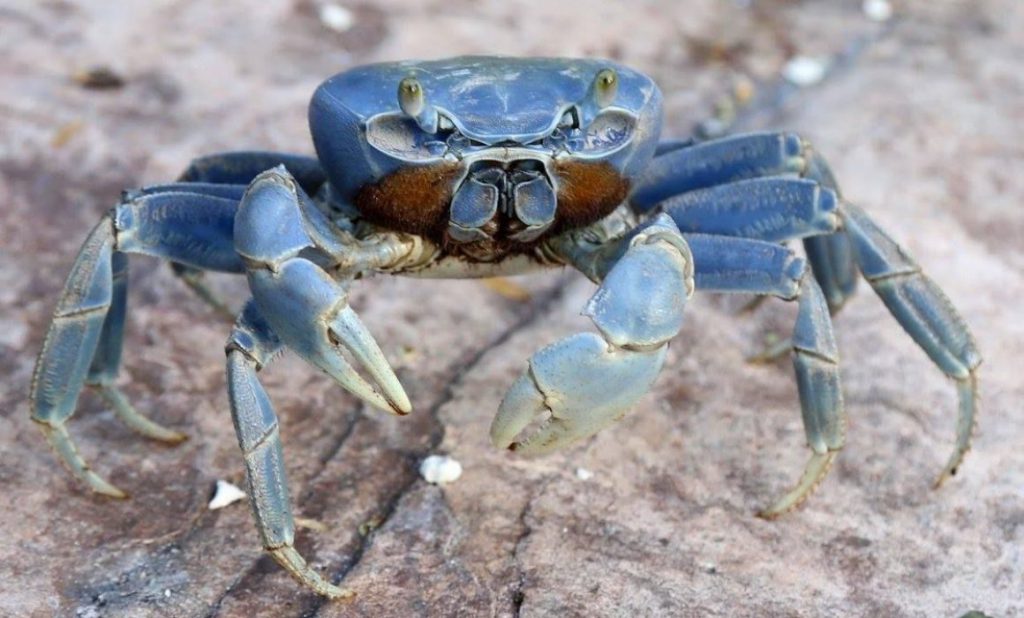
Blue crab in Cancun begins its expected annual migration toward the ocean waters. From September 25 to 27, thousands of females will cross coastal roads. The species seeks to deposit their eggs directly into the Caribbean Sea. For this reason, environmental authorities urge local drivers to exercise extreme caution.
Critical crossing spots across Cancun beaches
Biologists identified coastal areas with the highest transit of marine specimens. Surveillance teams will monitor Playa Las Perlas, Playa Nizuc, and Playa del Niño. Likewise, Ecology staff will maintain a continuous presence along surrounding roadways. Therefore, motorists are strongly advised to reduce their driving speed.
On the other hand, volunteers will coordinate support operations for safe animal crossings. Protecting this crustacean remains vital to preserving the local biological balance. Furthermore, stepping on or running over females drastically impacts species reproduction. For this reason, citizen cooperation will be essential throughout the weekend.
Commitment to marine wildlife conservation
The Benito Juárez Government reiterates the call to protect local natural heritage. Traffic recommendations will apply mainly during nighttime hours and early mornings. Similarly, citizens are asked not to handle specimens without professional assistance.
Finally, municipal authorities will report the overall results of this wildlife protection drive. Maintaining coastal biodiversity will strengthen the environmental commitment of this tourist destination.